Key Indicators of Good Teak in Furniture
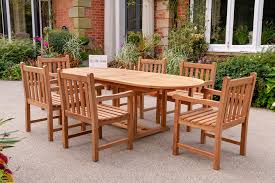
Wood Grade
-
Grade A Teak is the best quality. It comes from the heartwood (center) of mature trees, is rich in natural oils, has a golden-brown color, and is very durable.
-
Grade B and C Teak are lower quality — often lighter in color, less oily, and may have more knots or imperfections.
-
-
Color
-
Good teak has a warm, golden-brown tone. If the article shows or describes wood that’s too light (like pale yellow) or grayish (unless weathered), it might be lower quality or not pure teak.
-
-
Grain Pattern
-
Look for tight, straight grain patterns. High-end teak has uniform grain with minimal waviness or irregularities.
-
Cross-grain or blotchy patterns may indicate cheaper cuts or mixed wood.
-
-
Oil and Aroma
-
High-quality teak is naturally oily. This oil gives it resistance to water, pests, and rot.
-
If the article mentions a slight leathery or oily smell, that's a good sign — it's one of teak’s natural traits.
-
-
Weight and Density
-
Good teak is dense and heavy. Lightweight pieces may be mixed with inferior woods or be teak veneer rather than solid teak.
-
-
Finish
-
The article should mention that teak can be left unfinished (which turns silver-gray with time outdoors) or finished with teak oil or sealants.
-
A smooth finish with no rough patches suggests good craftsmanship.
-
-
Joinery
-
Quality teak furniture uses solid joinery like mortise-and-tenon, not glue or visible screws.
-
The article should highlight these construction methods if it's about good furniture.
-
-
Sustainability and Certification
-
Responsible articles mention FSC certification or similar — confirming the teak is legally and sustainably sourced.
-
Plantation-grown teak (from Indonesia, for instance) is preferred over illegally logged wood from natural forests.
-
-
Brand or Manufacturer Reputation
-
If the article references reputable manufacturers (like Gloster, Kingsley Bate, or Barlow Tyrie), that’s a sign they’re discussing high-quality teak.
-