How to Choose the Best Furniture for Your Living Room
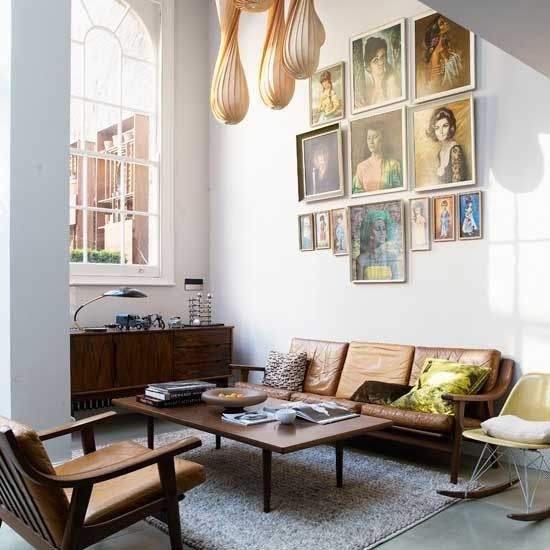
Your living room is the heart of your home—a space for relaxation, entertainment, and connecting with family and friends. Choosing the right furniture for it can transform the entire feel of your home. Here’s how to make sure your selections combine style, comfort, and practicality.
1. Define Your Style
Before buying anything, identify the style you want:
-
Modern: Clean lines, neutral colors, and minimalism.
-
Traditional: Rich wood tones, elegant fabrics, and classic silhouettes.
-
Bohemian: A mix of textures, colors, and patterns for a relaxed feel.
-
Scandinavian: Light woods, neutral tones, and functional simplicity.
-
Industrial: Metal and wood combinations with a rugged look.
Tip: Browse Pinterest, home design blogs, or use apps like Houzz for inspiration.
2. Consider the Room Layout
Take measurements and map out your space. Ask yourself:
-
What’s the focal point? (TV, fireplace, or a large window?)
-
How many people do you need to seat?
-
Is the space open-plan or enclosed?
Use layout tools or draw a simple floor plan to visualize furniture placement.
3. Choose the Key Pieces First
Start with the essentials:
-
Sofa or Sectional: The anchor of the room. Choose one that fits the scale of the room and offers enough seating. Deep cushions = more comfort.
-
Coffee Table: It should be proportional to your sofa—typically 1/2 to 2/3 the length of the sofa. Choose a material that suits your lifestyle (e.g., wood for warmth, glass for a lighter feel).
-
TV Stand or Console: Make sure it fits your TV size and has enough storage.
-
Armchairs or Accent Chairs: Great for extra seating and adding character.
4. Prioritize Comfort and Quality
No matter how stylish a piece is, it needs to be comfortable and durable:
-
Sofas: Look for hardwood frames, quality foam or down cushions, and durable upholstery (performance fabric is great for families).
-
Chairs: Test them out if possible. The right height and firmness matter.
-
Tables: Solid wood or metal frames tend to last longer than particleboard.
5. Add Functional and Stylish Storage
Living rooms often double as storage areas. Consider:
-
Bookshelves
-
Storage ottomans
-
Media units with drawers
-
Sideboards or console tables
Choose pieces that complement your main furniture and help reduce clutter.
6. Mix Textures and Materials
A visually interesting living room blends textures and materials:
-
Combine soft fabrics like velvet or linen with harder surfaces like wood or metal.
-
Add a plush rug, some throw pillows, and layered lighting (floor and table lamps).
7. Don’t Forget Scale and Proportion
A common mistake is overcrowding or undersizing furniture. Tips:
-
Use a rug to define the area—at least the front legs of your furniture should sit on it.
-
Leave enough space (around 18 inches) between the sofa and coffee table for movement.
-
Avoid tall furniture in small rooms—it can feel overpowering.
8. Consider Versatile Pieces
Especially in smaller living rooms, versatility is key:
-
Nesting tables
-
Sleeper sofas
-
Ottomans with hidden storage
-
Convertible or modular furniture
These adapt easily to different uses and can save space.