A Comprehensive Guide To Buying Furniture For Your Home
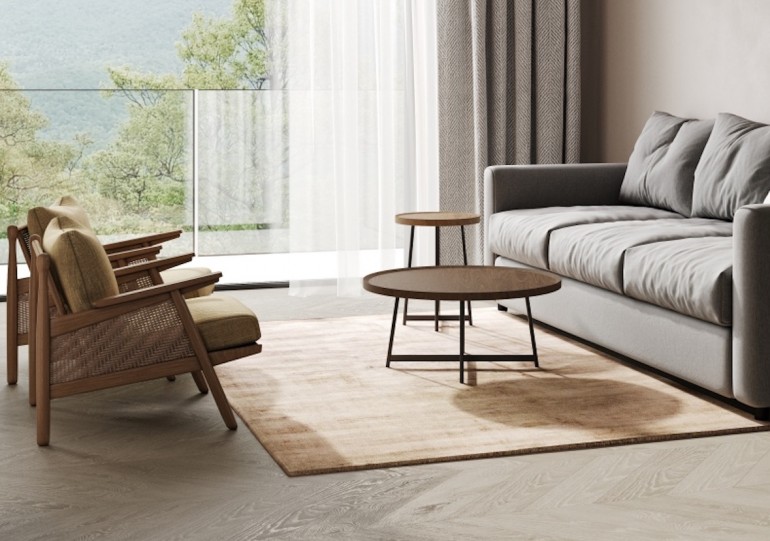
Furnishing your home is more than just filling spaces with sofas, beds, and tables. It's about creating a comfortable, functional, and aesthetically pleasing environment that reflects your personality and lifestyle. Whether you're starting from scratch or updating your current setup, buying furniture can be a significant investment of time and money. This guide will walk you through everything you need to know to make informed, stylish, and budget-conscious choices.
1. Define Your Needs and Lifestyle
Before visiting a store or browsing online, assess your lifestyle and what each room requires:
-
How is the room used? A family with kids will need durable, stain-resistant materials, while a couple may prioritize elegance and style.
-
How much space do you have? Measure carefully and consider traffic flow.
-
What’s your daily routine? If you work from home, a comfortable desk and ergonomic chair might be a priority.
2. Set a Realistic Budget
Furniture ranges in price from budget to luxury. Determine how much you’re willing to spend on each category (living room, bedroom, dining, etc.). Factor in:
-
Delivery and assembly costs
-
Tax
-
Optional warranties or protection plans
Tip: Prioritize key investment pieces (like a good sofa or mattress) and save on accents and accessories.
3. Choose a Style That Reflects You
From modern minimalism to rustic farmhouse, identifying your design style helps streamline your furniture search.
-
Contemporary: Clean lines, neutral colors, metal or glass materials.
-
Traditional: Classic silhouettes, rich woods, ornate details.
-
Bohemian: Eclectic, colorful, and texture-rich.
-
Scandinavian: Functional, minimalist, light-toned woods.
Create a mood board or browse Pinterest to get a visual sense of what you like.
4. Understand Materials and Construction
Quality construction ensures durability. Look for:
-
Solid wood frames for long-lasting pieces (vs. particleboard).
-
8-way hand-tied springs in sofas (premium support).
-
High-resilience foam or down for cushion filling.
-
Kiln-dried wood to prevent warping.
For upholstery:
-
Leather is durable and ages well.
-
Microfiber is affordable and stain-resistant.
-
Cotton blends are breathable and comfortable.
5. Measure Everything
Measure your space, including doorways, elevators, stairwells, and hallways, to ensure the furniture will fit both in the room and through access points.
Use painter’s tape to mark out furniture dimensions on the floor to visualize the fit.
6. Functionality and Versatility
Multi-functional pieces are ideal for smaller spaces:
-
Sofa beds or futons
-
Storage ottomans
-
Drop-leaf or extendable tables
-
Beds with built-in drawers
These maximize space without sacrificing style.
7. Shop Smart: Where to Buy
-
Local furniture stores: Good for seeing and testing pieces in person.
-
Online retailers: Convenient with a wide range of options (check return policies!).
-
Secondhand shops or marketplaces: Great for unique finds and budget-friendly options.
Always read reviews, compare prices, and look for warranty information.
8. Test Before You Buy (If Possible)
If buying in-store:
-
Sit on sofas and chairs for comfort.
-
Check drawers and doors for smooth operation.
-
Inspect stitching, joints, and finish for quality.
If online:
-
Look for detailed product specs and close-up images.
-
Read customer reviews on comfort and durability.
9. Consider Delivery and Assembly
Check delivery times and if the store offers white-glove delivery (includes setup and removal of packaging). Also, be aware of:
-
Return policies
-
Damage handling
-
Assembly instructions and tools required
10. Sustainability and Eco-Friendliness
Sustainable furniture is increasingly important. Look for:
-
FSC-certified wood (responsibly sourced)
-
Recycled or natural materials
-
Local manufacturers to reduce carbon footprint
Brands with transparent sourcing and eco-friendly practices are a plus.
Final Thoughts
Buying furniture for your home is a journey that balances practicality, style, and budget. By taking the time to plan, research, and shop wisely, you can create a space that feels like home—comfortable, functional, and uniquely yours.